



Conte de la Lune
À l’aide d’un journal intime découvert dans une malle oubliée, un fils nous invite à partager avec lui un moment important de l’enfance de son père, un immigrant espagnol venu s’établir au Québec. Nous nous retrouvons ainsi un matin d’été en 1940, dans un petit village des pays catalans, alors que le jeune Joan, âgé de dix ans, se réveille avec un mot en bouche, une fabuleuse invention. Un mot totalement absent du dictionnaire auquel Joan voudra absolument attribuer un sens.
Quelques jours plus tard, le père de Joan revient à la maison après une très longue absence provoquée par la guerre d'Espagne. Avec l’affectueuse connivence de la mère, se développe entre ce père « inventeur de mondes meilleurs » et ce fils « inventeur de mots » une tendre et lumineuse complicité qui donnera au mot nouveau de Joan une valeur éclatante et éternelle.
Conte de la Lune est le premier texte de la Trilogie d'une émigration.
Voici un extrait de la fiche pédagogique en version longue. Une version courte sera également mise à votre disposition lors de votre achat.
Voici un aperçu des outils pédagogiques inclus avec l’achat de l'œuvre :

Capsule vidéo - Le texte dramatique (pour le primaire)
Genre littéraire propre au théâtre, le texte dramatique est un élément central dans l’expérience du Théâtrophone. Dans cette capsule, Sam et Sacha explorent les composantes du texte pour présenter aux élèves ce que sont les didascalies, les répliques et les particularités du théâtre audio.
Capsule vidéo - La mise en scène (primaire)
Mettre en scène, c’est être aux commandes de l’œuvre artistique pour livrer au public un spectacle où tous les éléments sont en harmonie, comme un chef d’orchestre. Dans cette capsule, Sam et Sacha présentent aux élèves le travail de mise en scène et de mise en lecture.
Capsule vidéo - L'interprétation vocale (primaire)
Fin mélange d’instinct et de technique, l’interprétation vocale est ce qui donne vie aux personnages dans une pièce de théâtre audio. Dans cette capsule, Sam et Sacha explorent l’expression vocale en insistant sur les éléments les plus importants du travail de création.
Capsule vidéo - La conception sonore (primaire)
La conception sonore au théâtre concerne à la fois la musique, le son, l’ambiance, en plus d’être un élément dramatique important dans l’interprétation de la pièce. Dans cette capsule, Sam et Sacha présentent les étapes de travail pour créer un univers sonore.
Capsule vidéo - Le texte dramatique (pour le secondaire)
Genre littéraire propre au théâtre, le texte dramatique est un élément central dans l’expérience du Théâtrophone. Dans cette capsule, l'historien et critique Alexandre Cadieux initie les jeunes à la structure et aux conventions du texte, tout en les préparant à écouter du théâtre.
Capsule vidéo - La mise en scène (secondaire)
Mettre en scène, c’est être aux commandes de l’œuvre artistique pour livrer au public un spectacle où tous les éléments sont en harmonie, comme un chef d’orchestre. Dans cette capsule, la metteuse en scène Édith Patenaude aborde les rudiments de son travail, ainsi que les particularités de la mise en lecture pour le théâtre audio.
Capsule vidéo - L'interprétation vocale (secondaire)
Fin mélange d’instinct et de technique, l’interprétation vocale est ce qui donne vie aux personnages dans une pièce de théâtre audio. Dans cette capsule, l'actrice et professeure de diction Maude Bouchard décortique le travail vocal pour exposer aux élèves toute sa complexité et surtout, son immense potentiel de création !
Capsule vidéo - La conception sonore (secondaire)
La conception sonore au théâtre concerne à la fois la musique, le son, l’ambiance, en plus d’être un élément dramatique important dans l’interprétation de la pièce. Dans cette capsule, le compositeur et concepteur sonore Jean Gaudreau (alias Larsen Lupin) invite les élèves à découvrir l'univers de la création sonore.
Capsule vidéo - Le théâtre classique (secondaire)
Cette nouvelle capsule vidéo est un ajout optionnel au parcours pédagogique proposé. Dans cette capsule, Marie-Eve Pelletier et Carl Béchard invitent les élèves à découvrir l'histoire et les codes du théâtre classique.
Capsule vidéo - Le théâtre de Molière (secondaire)
Cette nouvelle capsule vidéo est un ajout optionnel au parcours pédagogique proposé. Dans cette capsule, Marie-Eve Pelletier et Carl Béchard invitent les élèves à découvrir le théâtre de Molière.
Extrait de la pièce.
Fiche technique primaire.
Fiche technique secondaire.
Lexique.
Cahier de l'élève (2e et 3e cycle primaire).
Cahier de l'élève (secondaire).
Langage
La pièce se déroule en Espagne et certaines répliques sont dites en catalan ou avec un accent.
Contenu sensible
Cette œuvre, qui se déroule en 1940, fait référence à la guerre civile espagnole. Le père du personnage principal, un inventeur révolutionnaire, sort de prison après y avoir été enfermé par le régime de la dictature.
Notice bibliographique
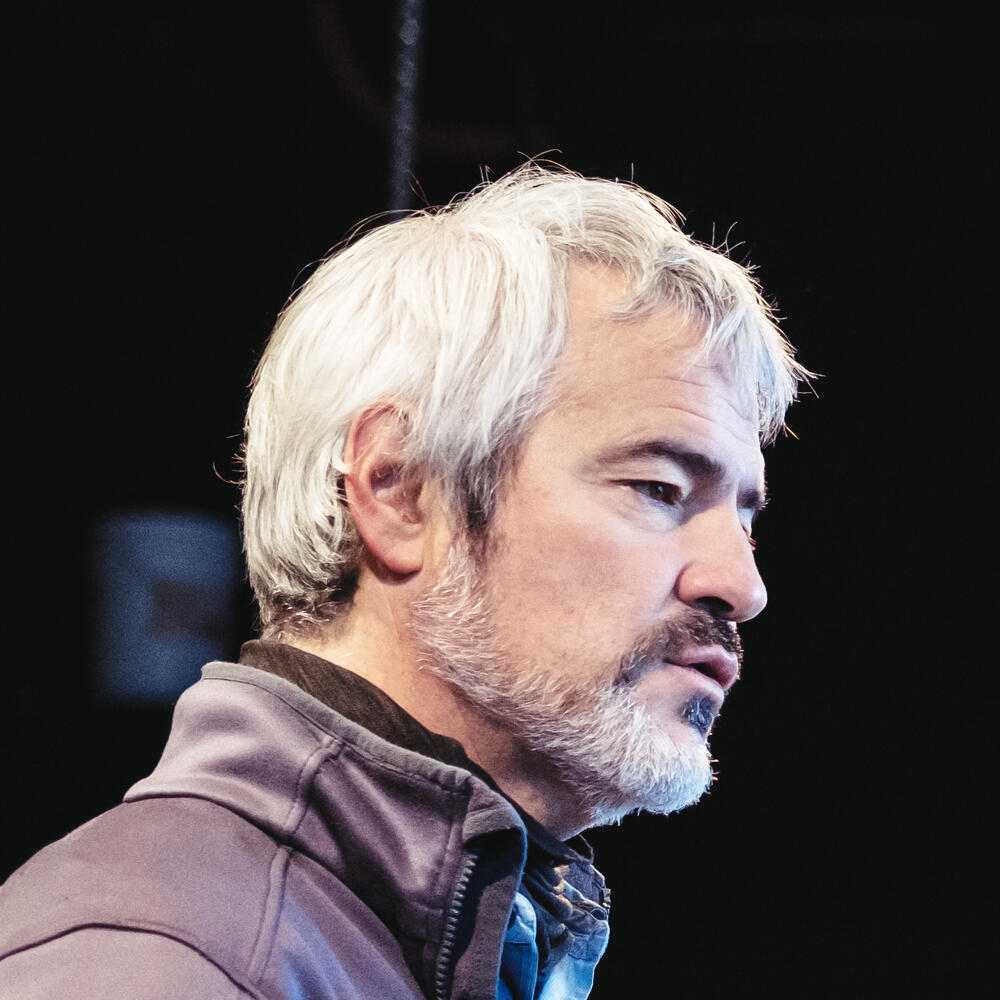
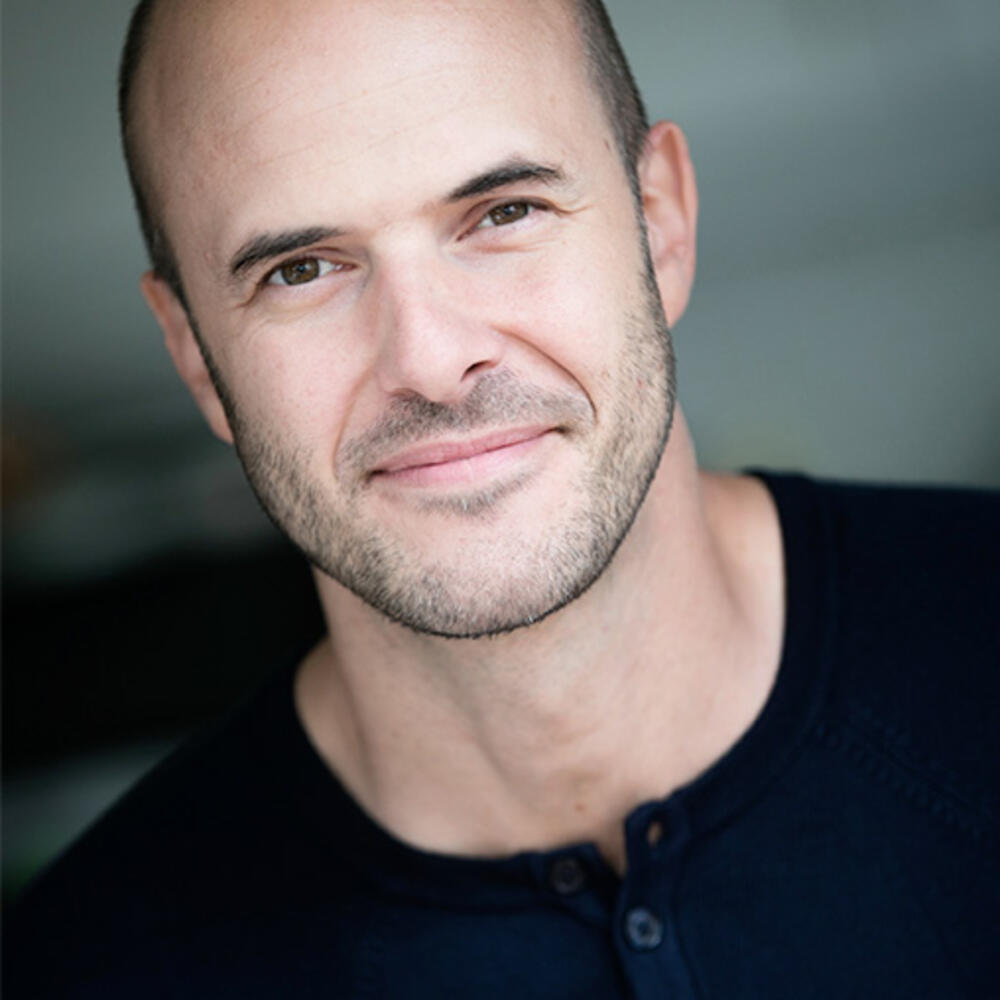
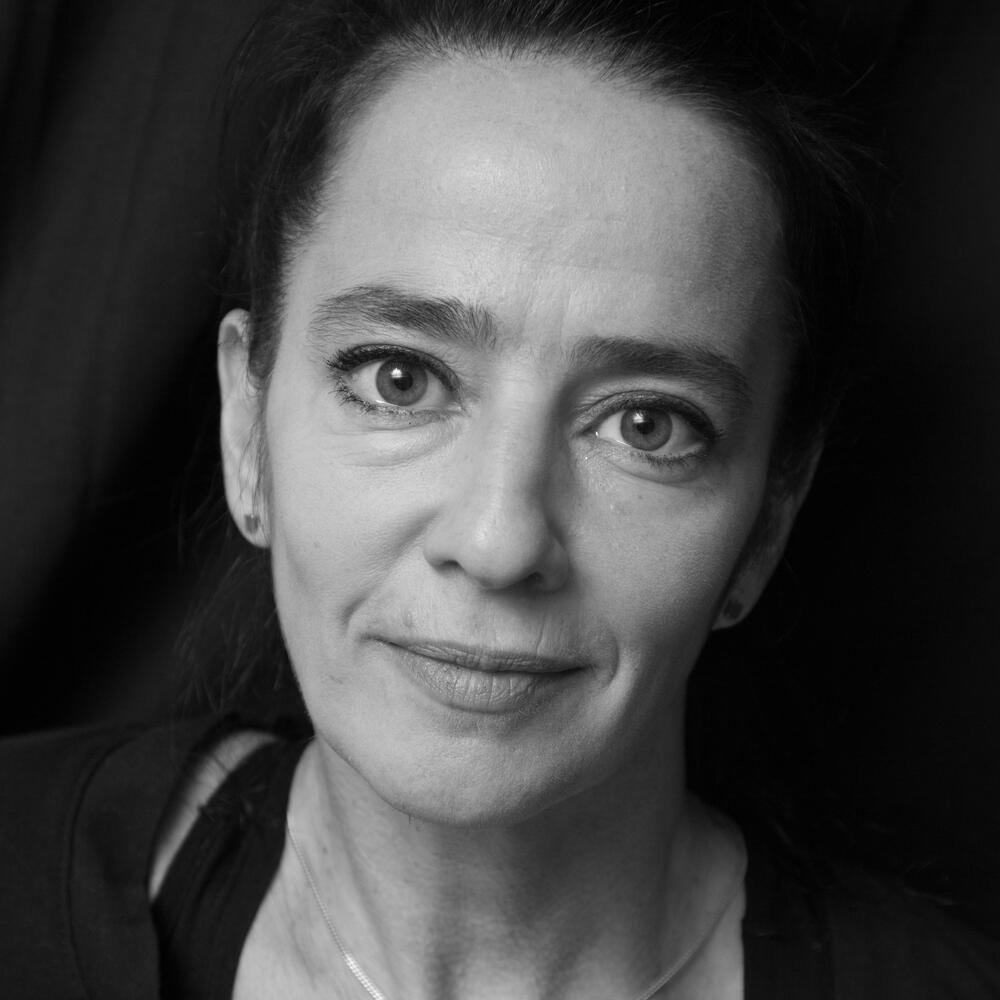

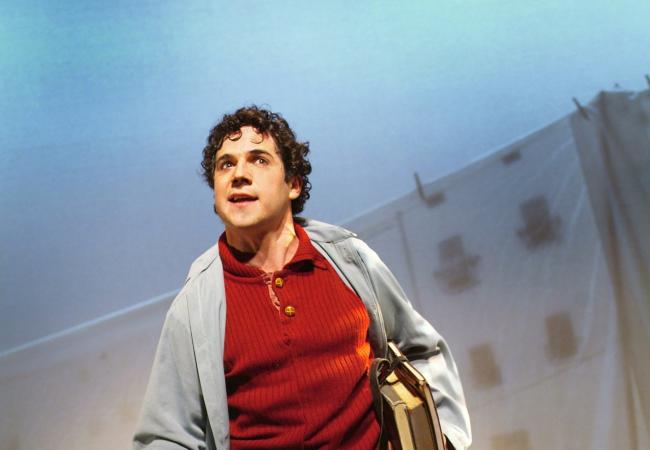
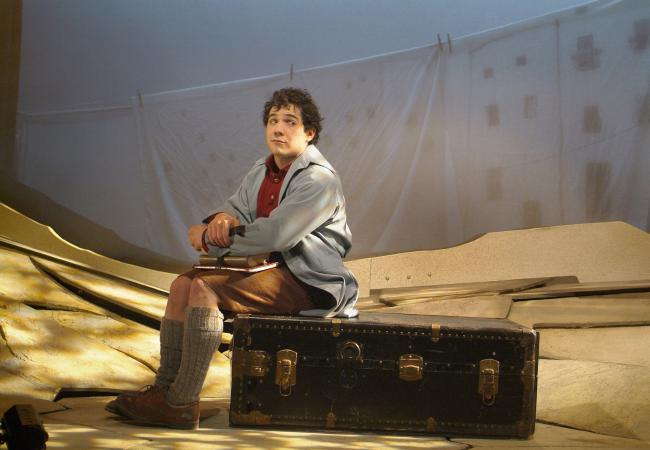
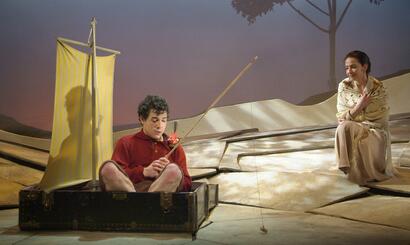
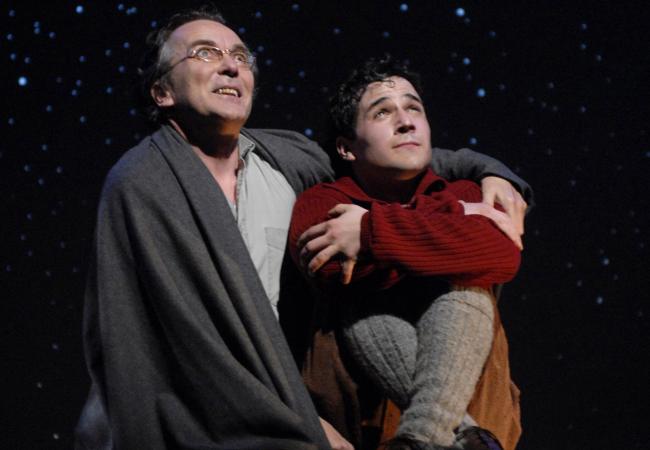
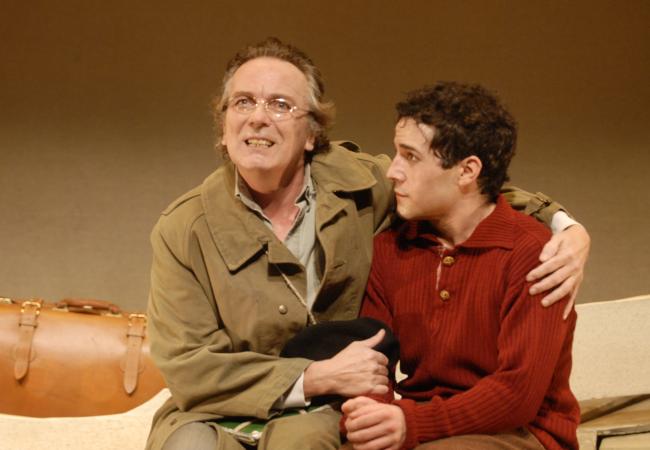
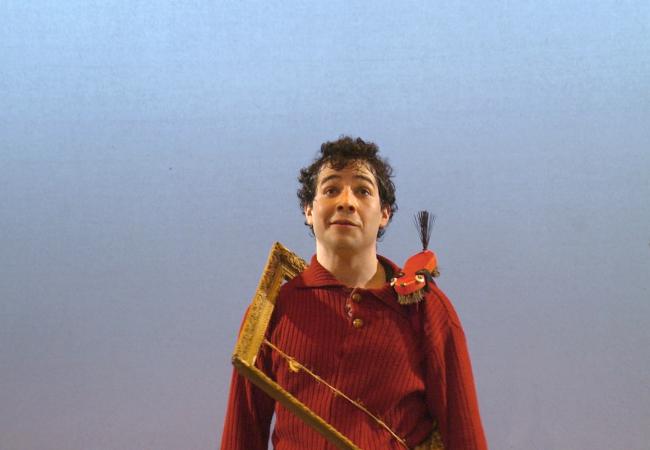
La pièce a été créée au Théâtre populaire d’Acadie en février 2006 et au Théâtre jeunesse Les Gros Becs en mars 2006. </p>
En plus de la « romantisation » de l’histoire familiale de l’auteur, la pièce s’inspire librement (et souvent textuellement) des nouvelles suivantes de Pere Calders: "En començar el dia", "Dema a las tres de la matinada", "Raspall" et "La lluna a casa", publiées en catalan par Edicions 62.
Texte
Philippe Soldevila, inspiré de nouvelles de Pere Calders
Mise en scène
Philippe Soldevila
Assistance à la mise en scène
Hélène Blanchard
Scénographie
Luc Rondeau
Erica Schmitz
Musique et environnement sonore
Jean-François Mallet
Éclairages
Christian Fontaine
Régie
Katia Talbot
Distribution à la création
Christian Essiambre, Réjean Vallée et Agnès Zacharie
Distribution en tournée
Christian Essiambre, Daniel Simard France LaRochelle et Agnès Zacharie
Photos
Louise Leblanc
Une création du
Théâtre des Confettis et du Théâtre populaire d'Acadie, en collaboration avec le Théâtre Sortie de Secours
Vous aimerez aussi...